


Light catches the faint grain of the leather as you run a hand across the arm — cool at first, then softening under your palm.The marketplace listing, branded simply as the “Lazy Chair Sofa” (I’ll call it the Lazy Sofa), looks more compact in person: it has the footprint of a single seat but a surprisingly wide cushion that lets your legs unfold.The backrest reclines in reassuring, distinct clicks and a shallow pedal-storage recess tucks under the base, both details you notice without looking for them. From where you stand it reads as a lived-in piece — modest visual weight, zippered seams, and a dense, spongey give that invites settling in rather than posing.
What you notice first when the lazy chair sofa arrives
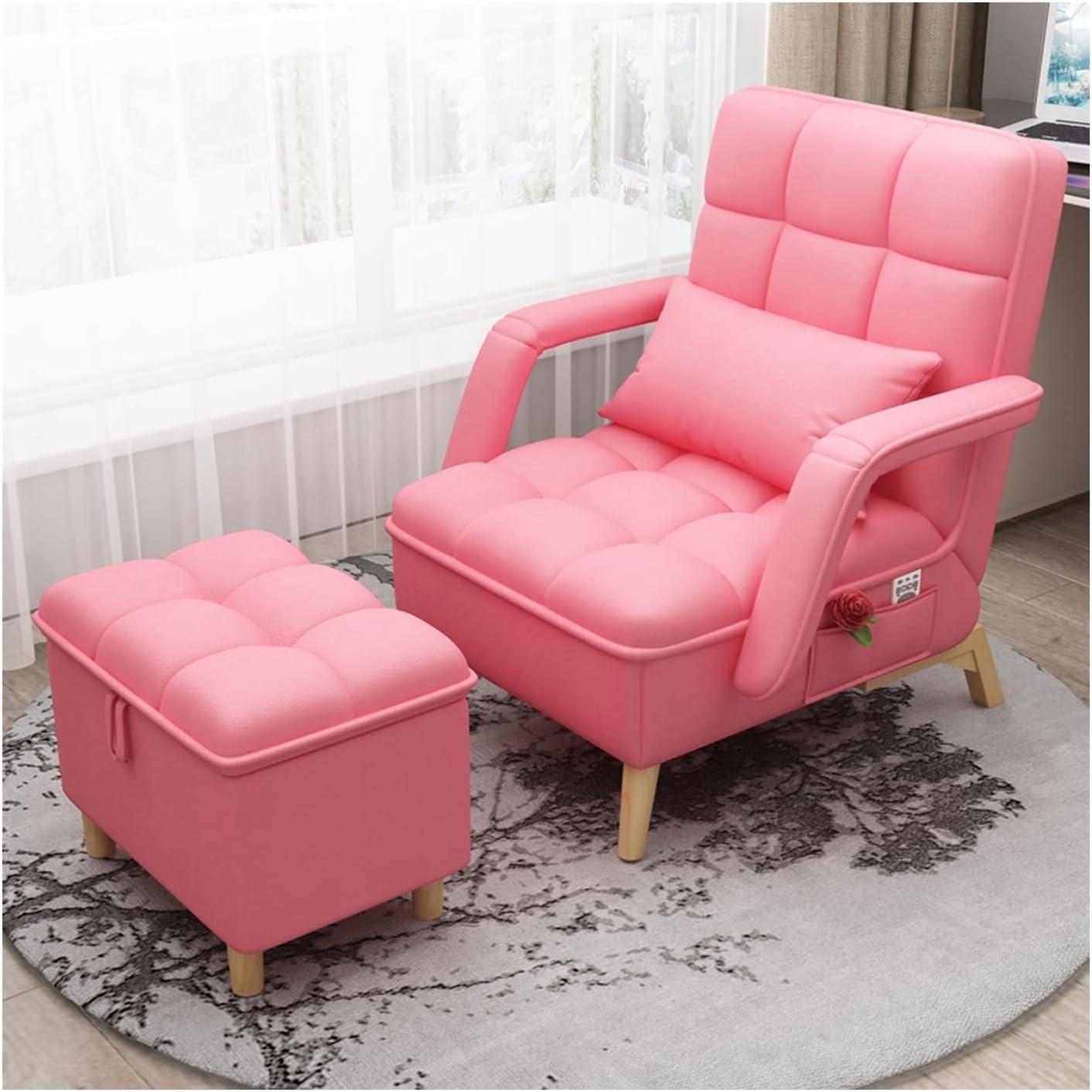
The first thing you notice is the packaging and how the chair emerges from it: a compact, wrapped form that unfurls into shape rather than arriving ready-made. As you open the cover and unzip any protective layers, there’s a brief rush of a leather-like scent and a soft pop as trapped air escapes. Cushions that looked flat in the box begin to round out within minutes, though they can feel a bit firm at first and take a few stretches and pats to settle into their final shape.
Your hands go to the obvious touch points. You smooth the outer surface, press along seams, and shift the backrest with a habitual tug; small creases and fold lines relax with that movement. The reclining mechanism resists slightly on first use and then loosens into quieter, more fluid clicks after a couple of adjustments. Colors read differently under indoor light than in photos—muted tones deepen, brighter hues soften—so your first glance is partly about how it sits in the room’s actual light. the initial experience is tactile and a little active: you tend to rearrange cushions, flatten wrinkles, and test the recline before the piece settles into its everyday presence.
| Immediate cue | What you typically notice |
|---|---|
| Packaging and unpacking | Compressed profile, quick rebound of foam, faint new-material scent |
| Touch and seams | Creases smooth with a few adjustments; stitching and edges become more defined |
| Mechanism movement | Initial stiffness giving way to quieter clicks as parts settle in |
How its shape, colour and proportions sit in a small bedroom or studio
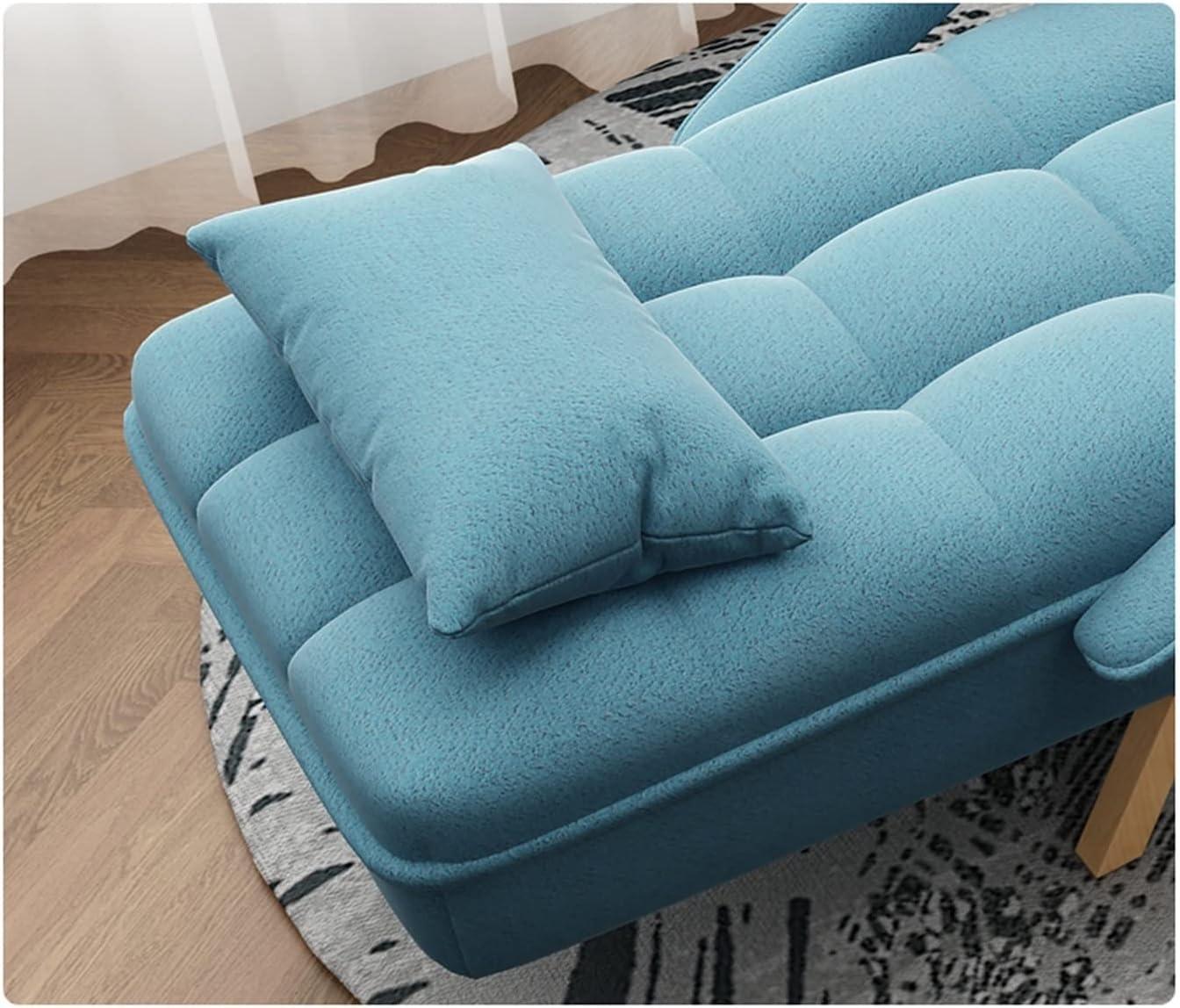
The chairS rounded, low-slung shape reads as a compact mass when placed in a small bedroom or studio. From a short distance its backrest and widened seat form a soft silhouette that breaks the room’s vertical lines rather than adding a tall, linear element; up close, seams and the cushion’s plumpness become more apparent as someone settles in, and the fabric is frequently enough smoothed or nudged into place. with the backrest tilted back,the profile deepens and the seat projects farther into the room,while an upright setting allows the piece to sit closer to a wall and take up less visual depth. These shifts happen casually during normal use and change how much breathing room remains around a bed, desk or walkway.
Colour makes a noticeable difference to perceived proportion. Lighter tones tend to reflect available light and can make the chair feel less assertive against walls or small windows; mid-tone greys and blues read as a modest mass that anchors a corner without dominating it; darker hues and saturated yellows create a stronger focal point and can make the piece appear denser in tight spaces. Fabric creasing and cushion compression that occur through everyday use subtly alter the edges, so the chair can look slightly larger or softer over time rather than keeping a rigid outline.
| Colour | Typical visual effect in a small room |
|---|---|
| Off-white / Pink | Recedes slightly,appears lighter against walls or curtains |
| Grey / Blue | Balances presence and restraint,creates a mid-weight anchor |
| Black / Yellow | Reads as heavier or more eye-catching,increases perceived visual weight |
View full specifications and colour options
Leather, seams and hardware under close inspection
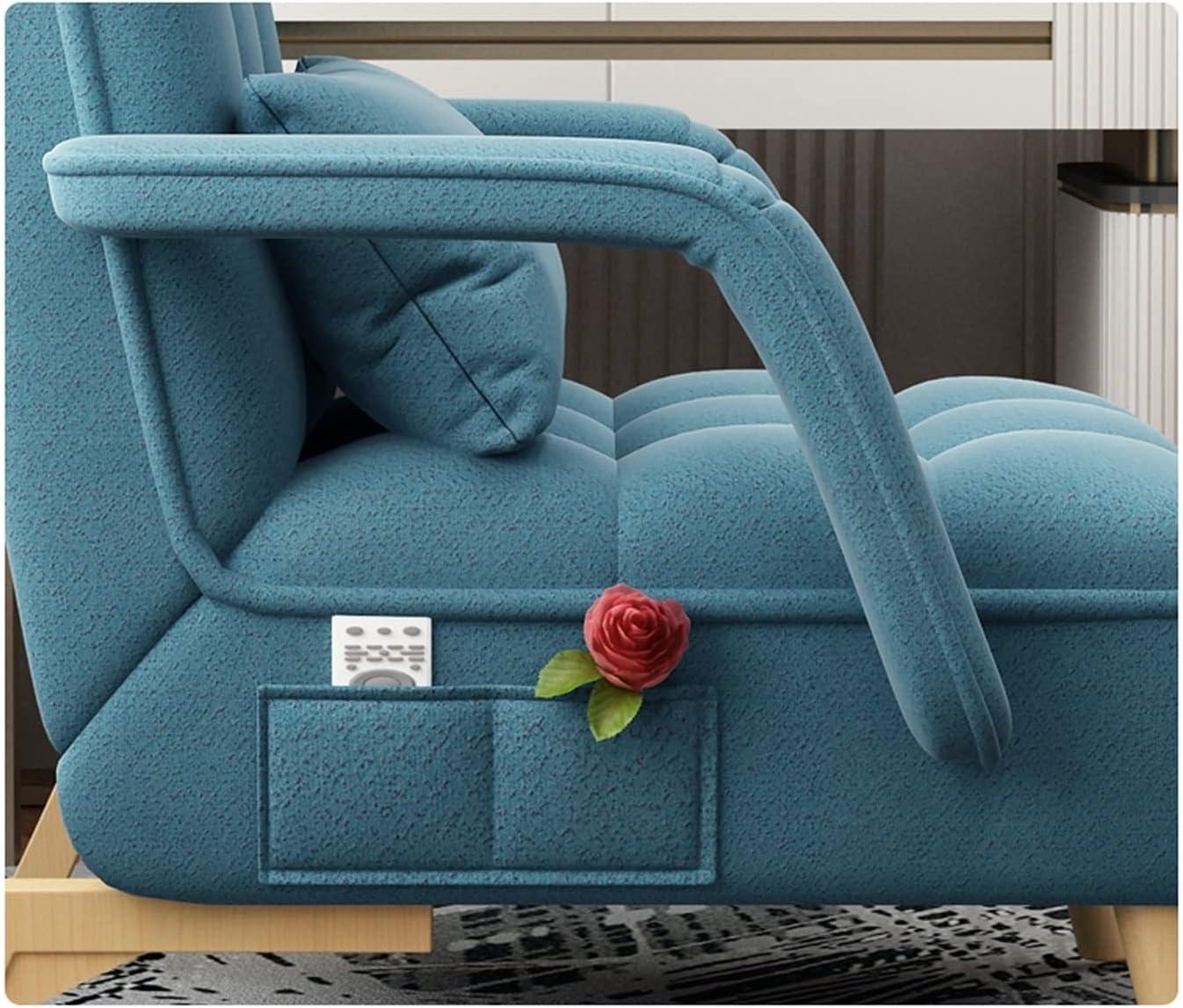
When you sink into the chair the leather greets you with a cool,slightly grippy surface that warms and softens where your body presses. Small, irregular creases appear across the seat and the lower back—most noticeable where you habitually rest—while the outer panels keep a mild, even sheen. As you smooth the cushion with your hand, the leather shifts and settles rather than springing back instantly, so the shape you leave tends to linger for a few minutes.
The stitching runs along predictable lines and mostly stays flat under normal movement, though you’ll notice the thread tension changes where panels meet at corners or along the inner seams. When you shift position the seams can lift a little at the joins; you might find yourself subconsciously nudging them back down. Exposed edges around access points and the pedal compartment sit close to the surface, with zipper or flap closures operating with a soft, mechanical resistance that becomes familiar after a few uses.
| Element | Observed behaviour |
|---|---|
| Leather surface | Cool to touch at first, softens with contact; light creasing where pressure is frequent; subtle sheen that evens with time. |
| Seams & stitching | Generally straight and unobtrusive; slight puckering at high-stress joins when you shift; thread color camouflages minor irregularities. |
| Hinges, pedal & fasteners | Hinges operate with measured resistance and a muted sound; pedal and recessed hardware sit flush when closed; trims include small areas of plastic that flex under firm pressure. |
How the backrest reclines, the pedal storage operates and the seat responds when you sit
Backrest and pedal action
When you lean back the backrest moves in clear, stepped increments rather than a continuous slide — you feel a small catch as it settles into each position and a brief, springy release when you push past a notch. The motion is guided and a bit mechanical: the backrest follows your weight rather than drifting on its own, and you’ll notice a faint ratcheting sound as it shifts. The pedal storage tucks beneath the front edge and comes out with a short, horizontal pull; it glides on simple runners and needs a deliberate tug to free it, then slides back under with a soft click when you push it closed. Over repeated adjustments you’ll find yourself smoothing the cover or nudging the pedal to get it to align perfectly with the seat edge.
How the seat responds when you sit
As you settle in the seat gives first in the center, compressing under your hips while the surrounding pads hold a bit firmer, so you naturally shift to find the most comfortable spot. The foam cushions rebound slowly — not instant, but not sluggish either — so small posture changes make the surface resettle beneath you; seams and the cover wrinkle and straighten with those micro-movements. When you change the backrest angle the lower cushion shifts subtly forward and the feeling under your thighs alters, and if the pedal is extended your knees meet the footrest with a soft, cushioned resistance rather than a hard stop. you’ll catch yourself smoothing the fabric and adjusting the seams after switching positions, since the upholstery creases where pressure concentrates.
Where the storage lives and how everyday items are kept within reach
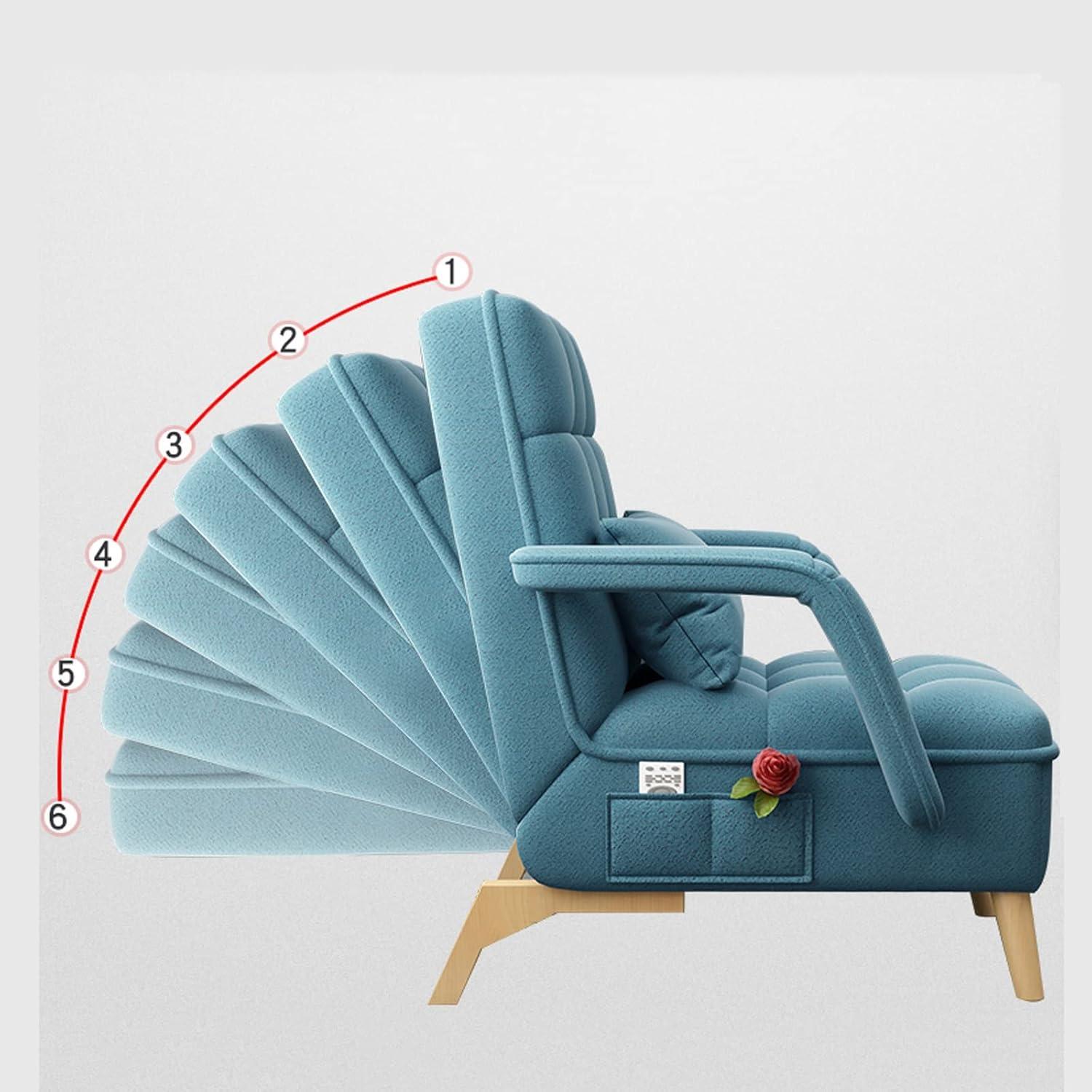
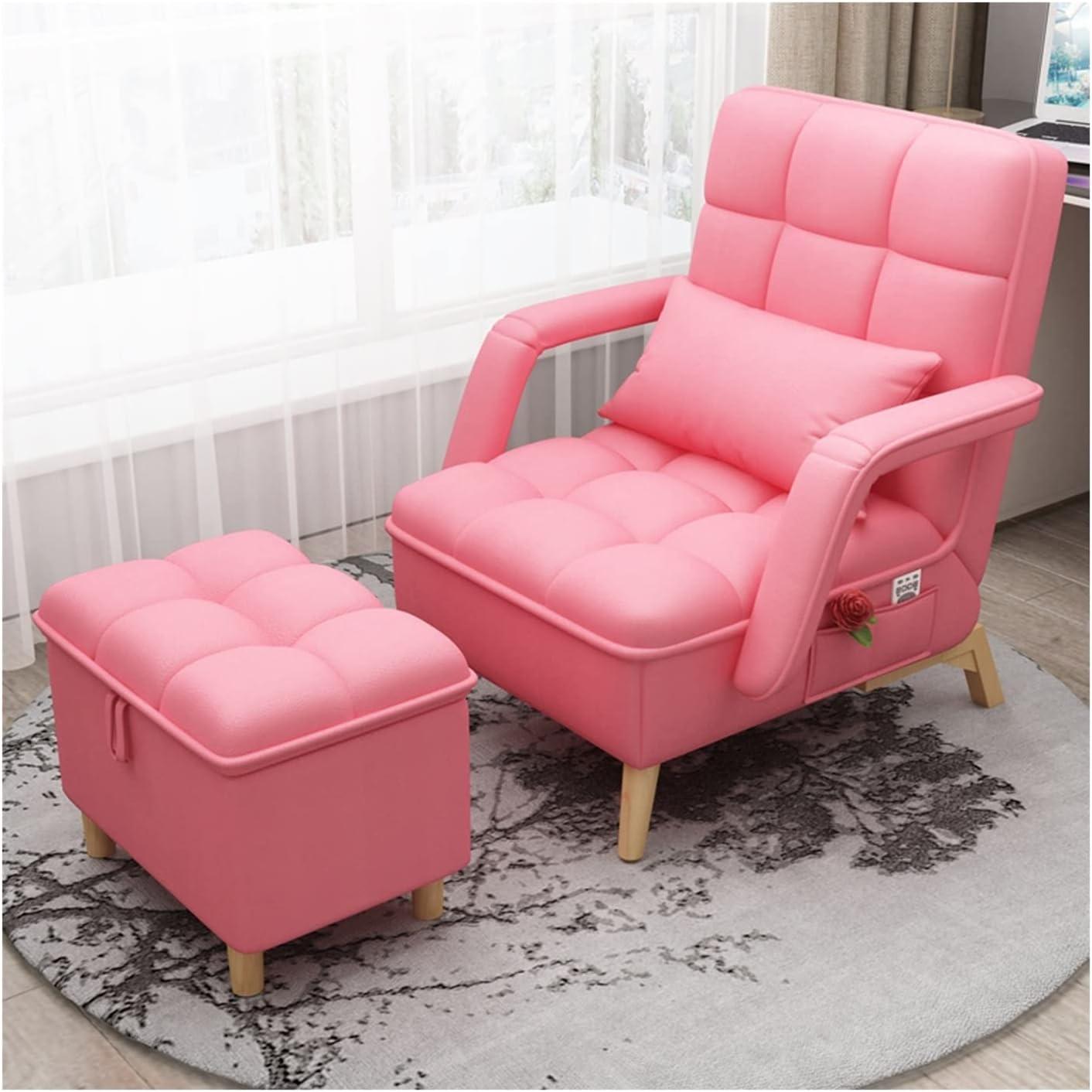
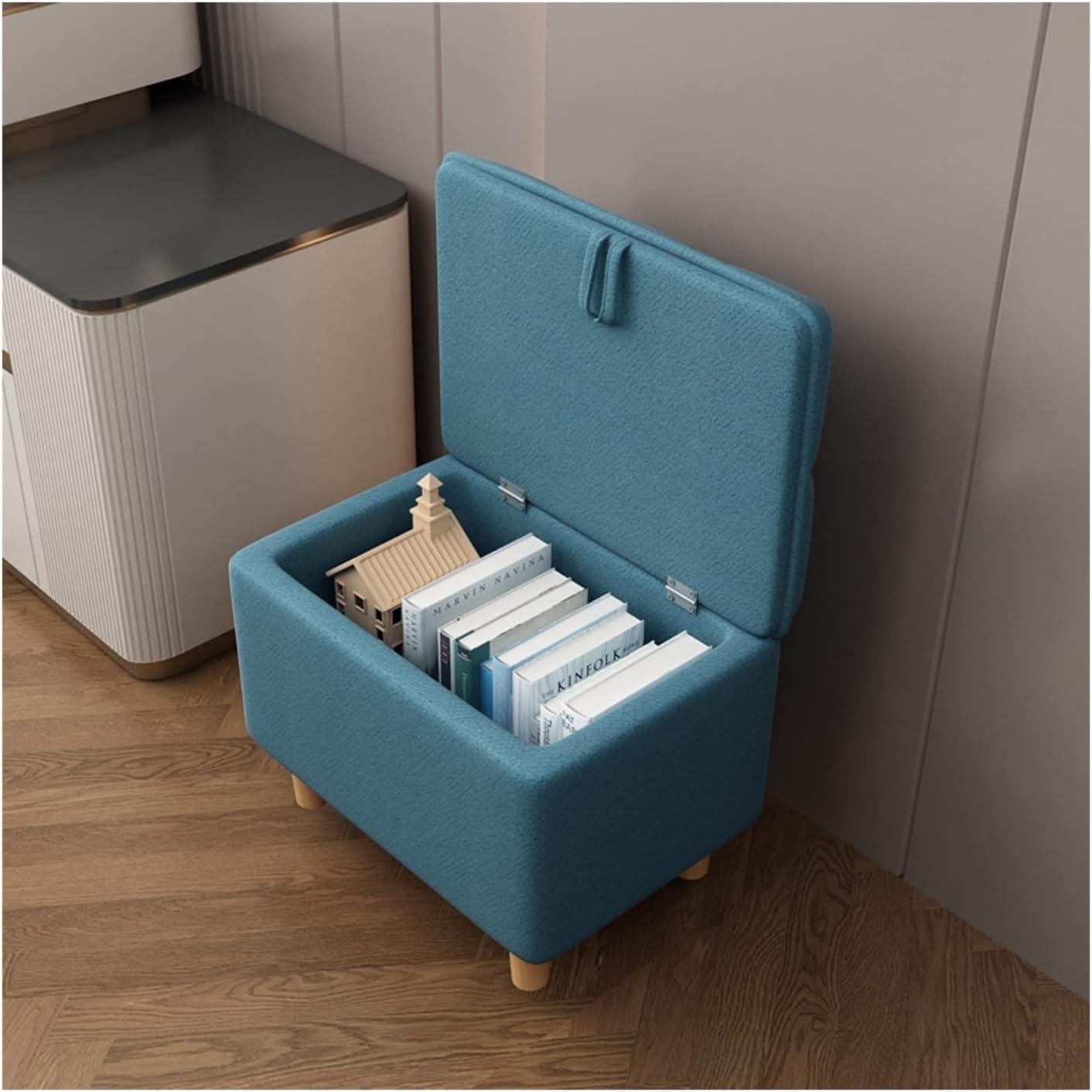
When you settle into the chair the first place your hand goes is toward the lower edge of the seat: the storage sits out of sight until you lift or slide the front cushion. That hidden well is shallow rather than cavernous, so you tend to use it for flat or compressible things — a folded throw, a pair of slippers, or the detachable pedal — rather than large boxes.The cushion cover and the widened pillow overlap the opening slightly, so reaching in requires a brief shift of the top cushion or a quick tuck aside of the pillow; those small adjustments are the kind you find yourself doing without thinking as you get comfortable.
You also notice informal storage points created by the chair’s shape. The gap between backrest and seat becomes a handy slot for a remote or paperback when you sit up, and the arm-edge (where the upholstery meets the seam) is where a phone will rest if you set it down while reclining. As you change the backrest angle the relative position of items changes too — things in the shallow compartment stay put, but loose objects on the cushion or arm can slide a little when the chair tilts. In most cases the arrangement keeps everyday items within a single reach motion: lift, slot, or tuck, then smooth the fabric back over and continue sitting.
| Common item | How it’s stored in practice |
|---|---|
| Remote | Slid into the seat-back gap or laid on the arm edge |
| Phone | Placed on the arm or slipped beside the pillow; may shift when reclining |
| Slippers / pedal | Stashed in the under-seat well beneath the front cushion |
| Magazine / paperback | Flat in the shallow compartment or tucked into the backrest crevice |
Measurements,footprint and the ways it occupies corners,nooks and pathways in compact spaces
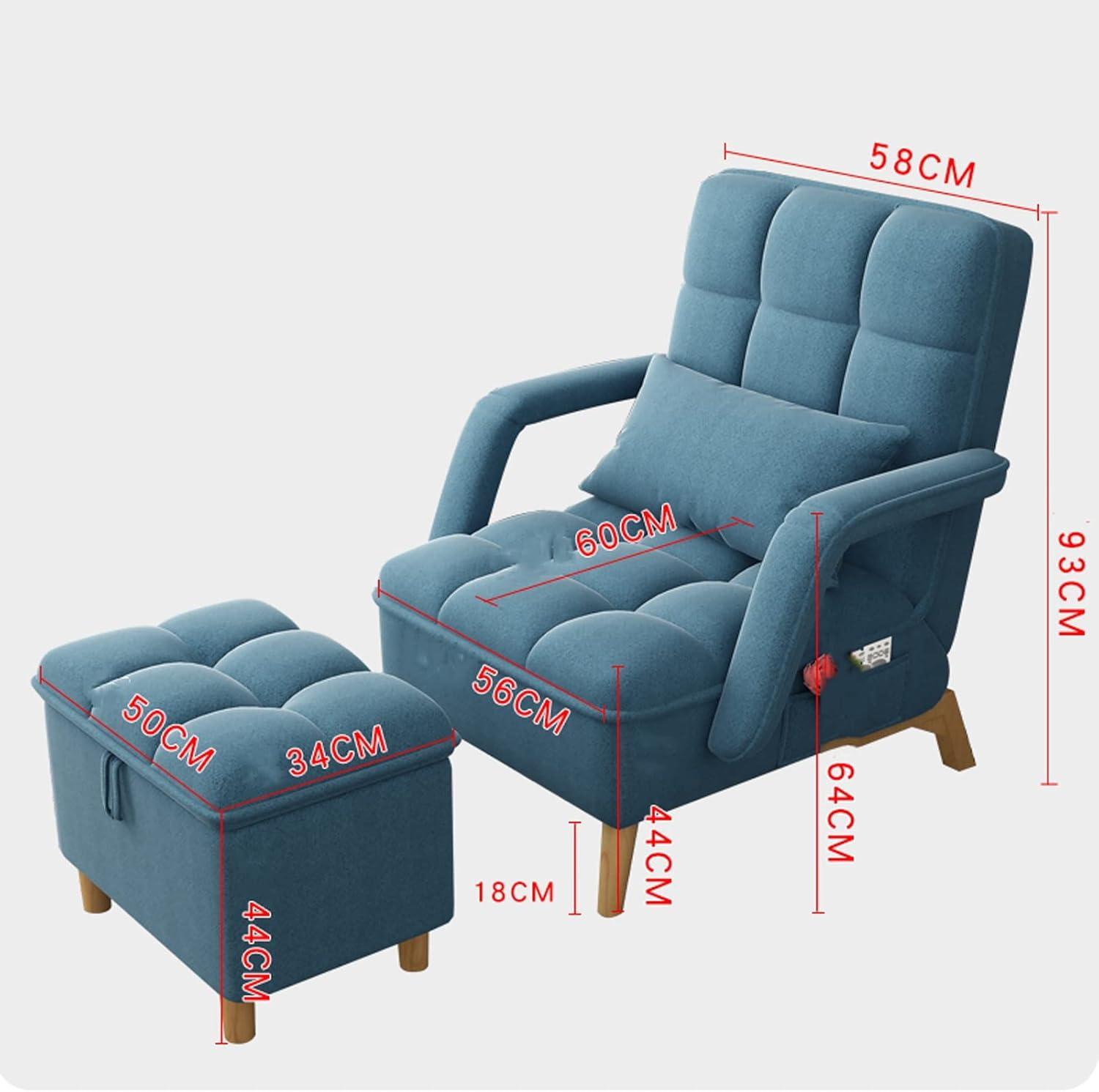
You’ll notice the chair’s presence before you consult any tape measure: in an upright position it sits like a compact armchair, its rounded sides and slightly protruding base taking up a clear patch of floor rather than hugging flush to a wall. When you move it into a corner the back presses close but the curved profile and cushioning usually leave a narrow gap along the edges; small nudges and a brief smoothing of the cover are common as you try to line it up so it looks settled.
As the backrest tilts and the foot area is pulled out, the piece extends forward in a way that changes how it negotiates narrow pathways. It tends to narrow clear walkways when the foot section is deployed, and shifting your weight while reclined sometimes makes the chair inch forward a little on certain floors. In tight nooks the arm and cushion bulge can feel as if they ask for a fraction more room than a visual glance suggests; once placed, the chair usually stays put, though habitual small adjustments — pushing the base back, straightening a seam — are part of everyday use.
| Configuration | How it occupies space |
|---|---|
| Upright | Compact footprint, rounded sides keep it off-the-wall slightly; easy to tuck beside short shelving |
| Partially reclined | Forward depth increases; pathways adjacent can feel tighter; small clearance behind usually remains |
| Fully reclined / foot area extended | Noticeably more floor depth required; the front zone becomes active storage/use space and shifts how the chair blocks or defines a route |
Observed patterns show the chair occupying corners and narrow spaces as a physically present, slightly mobile element rather than a fixed piece of built-in furniture — it moves a little with use and asks for a bit of breathing room when in reclining positions.
View full specifications and size options
How the chair measures up to your expectations and the space constraints you’ll face
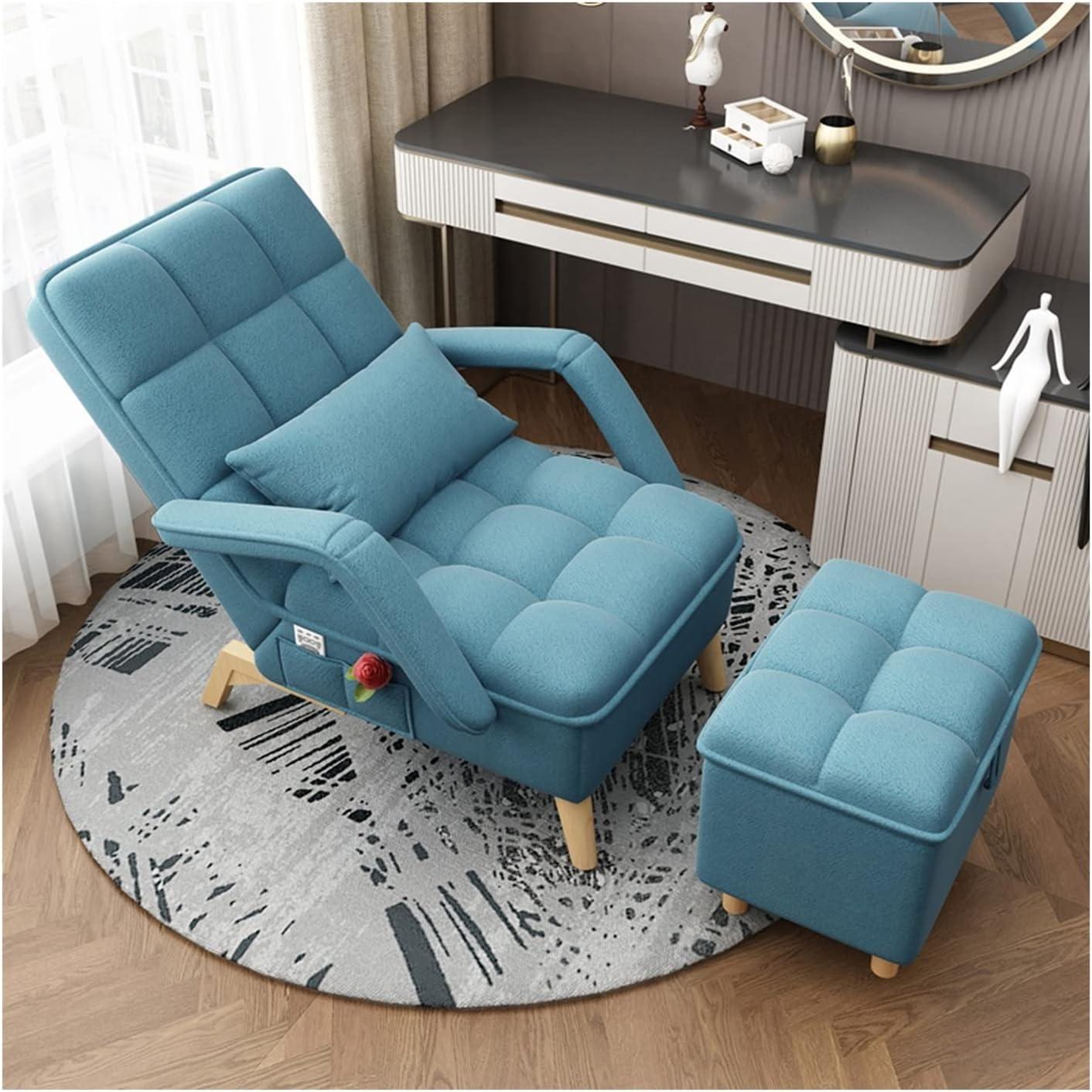
When occupied, the chair settles into the room more like a small lounge than a rigid office seat. In upright use it hugs a corner well, with cushions compressing and seams shifting inward so the silhouette reads compact; reclining shifts that silhouette forward, and the backrest angle adds noticeable depth as the lower frame and pedal slide outward. The storage pedal, when pulled, alters how the base sits on the floor and often prompts a small, automatic nudge of nearby items — magazines or a low side table will likely be brushed when the chair moves through its adjustment range.
Daily interaction leaves telltale traces on how much room the chair needs: cushions are smoothed and reworked after prolonged sitting, the leather creases more visibly along high-contact seams, and a toe or foot placed on the extended pedal will wobble slightly if the surrounding clearance is tight. Shifting the chair a few inches is possible but typically requires a second hand on the backrest to keep the cushions aligned; rolling it across a carpeted floor tends to slow the motion and accentuate wrinkling at the base. In short, the chair’s variable profile — compact when upright, more intrusive when reclined or with the pedal in use — becomes apparent quickly in everyday moments.
| State | Typical spatial behavior |
|---|---|
| Upright / Stored | Reads compact; leaves walkways mostly clear |
| Partially reclined | Front edge advances into room; cushions need occasional smoothing |
| Fully reclined / Pedal out | Requires clear floor space in front; nearby low objects may be nudged |
View full specifications, sizes and color options
Care routines, cleaning steps and what to watch for as the leather ages
Leather on this kind of chair responds to everyday use in small, visible ways: the places you press most frequently enough — the seat center, the front edge, and the top of the backrest — gradually soften and show shallow creases where your weight and movement fold the surface.You’ll find yourself smoothing seams with the heel of your hand, shifting cushions back into place after a long sit, or tucking the pedal storage flap under the frame; those unconscious motions are part of normal upkeep and help keep the cover lying flat. Brief airing in a shaded spot and gentle patting of the cushions after use also tends to reduce trapped heat and the flat look that comes with repeated lounging.
When you clean, aim for low-intervention steps that mirror how the leather actually behaves during use. Fresh spills blot up most readily with a dry, soft cloth; slightly dampening that cloth can lift more stubborn marks, but over-wetting makes the surface feel tight until it dries. Dust and crumbs gather in seams and along the reclining mechanism, so a soft brush or the upholstery attachment on a vacuum will remove what rubs into the stitching without stretching the leather. If you use a mild, pH‑neutral cleaner it will usually remove surface oils and clarified dirt, and many people follow with a light leather conditioner every few months to keep the material supple — conditioned leather often takes on a softer sheen where hands make contact and looks less prone to surface flaking in high-use spots.
| Frequency | Action | What you’ll notice |
|---|---|---|
| After spills / as needed | Blot with a dry cloth; dab with a barely damp cloth if required | Stain lifts quickly; area may darken slightly while drying |
| Weekly | Vacuum seams; brush off dust; smooth creased areas | Seams look cleaner; creases sit less prominently |
| Monthly | Mild cleaner for light soil; wipe with clean damp cloth afterward | Surface oils reduced; subtle change in sheen where hands rest |
| Every 3–12 months (typical) | Optional light leather conditioner | Leather feels softer; color may deepen slightly in contact zones |
As the leather ages, watch for a few recurring patterns rather than single dramatic failures: color softening at edges and on arm contact points, faint surface scratches from zippers or buttons rubbing against it, and gradual flattening of the foam that makes the seat sit lower. Stitch lines near adjustable hardware or the pedal storage hinge can develop tighter tension or slight puckering as you recline and fold the chair repeatedly. Small white marks sometimes appear after cleaning when residue sits in creases; these usually fade with gentle rubbing or a repeat wipe. If the leather feels dry and starts to crack in tiny places,that is a slow process that first shows at the highest‑traffic spots and then spreads.
A Note on Everyday presence
Living with the Lazy Chair Sofa, you watch it settle into the room over time, its back and seat finding the angles you return to most evenings. In daily routines it becomes the spot for short rests, folded pages and the quick pause between tasks, adapting to how the space is used rather than calling attention to itself. The leather slowly takes soft creases and faint marks that map ordinary days, and the chair’s presence is felt in small repeated gestures.Over months it blends into everyday rhythms and stays.
As an Amazon Associate I earn from qualifying purchases.

