


Late afternoon light picks out the nap of the black chenille, turning each cushion into a soft stripe across the room. You can’t miss the scale of mikibama’s 111.5-inch modular sectional — it settles in with a low, substantial profile that quietly shifts the room’s balance. run your hand along the arm and the fabric feels velvety but firm; the seats give a slow, forgiving rebound while the back has a dense, sculpted feel. Shift an ottoman and the joins reveal screw fittings and a slight gap, a practical, mechanical note amid the plushness.From where you sit the piece reads as dark and textured, visually heavy yet oddly domestic, like furniture that’s already been lived on.
A first look at your mikibama U shaped chenille sectional in black
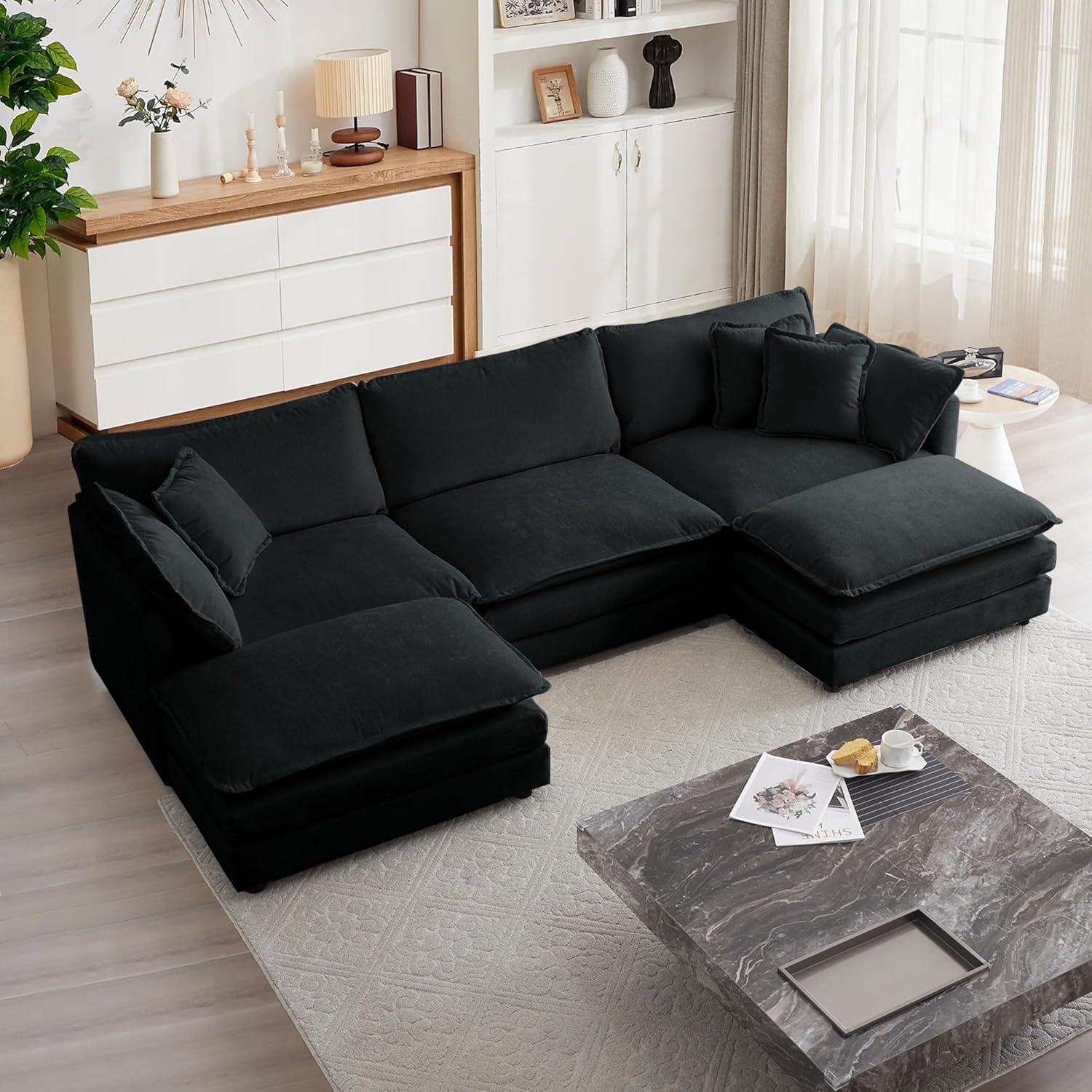
When you first set eyes on the U-shaped chenille sectional in black, it reads as a low, continuous mass that settles into the room rather than announcing itself. From across the floor the black tone softens corners and makes the profile appear more compact; up close, the chenille’s nap catches and scatters light so the surface can look slightly different as you walk around it. The modules sit in a near-uniform line, though you’ll notice small gaps and seam lines where pieces meet — they’re easy to spot when you crouch to eye level or when cushions are shifted during use.
Touching it brings a different set of cues: your hand skims a subtly textured surface, the fabric yielding briefly before the cushion spring returns. You may find yourself smoothing the back cushions or nudging the ottomans a bit to line seams up; those small, habitual adjustments change the look more than anything structural. Cushions show light impressions where people have been sitting and those impressions tend to relax back slowly rather than springing out instantly, which affects how tidy the grouping looks after a gathering.
| at a glance | On touch |
|---|---|
| Deep, even black that shifts with light | Soft nap that slightly resists quick smoothing |
| Continuous U silhouette with visible seams | Cushions register body impressions that settle gradually |
How the modules arrive and what assembling them feels like for you
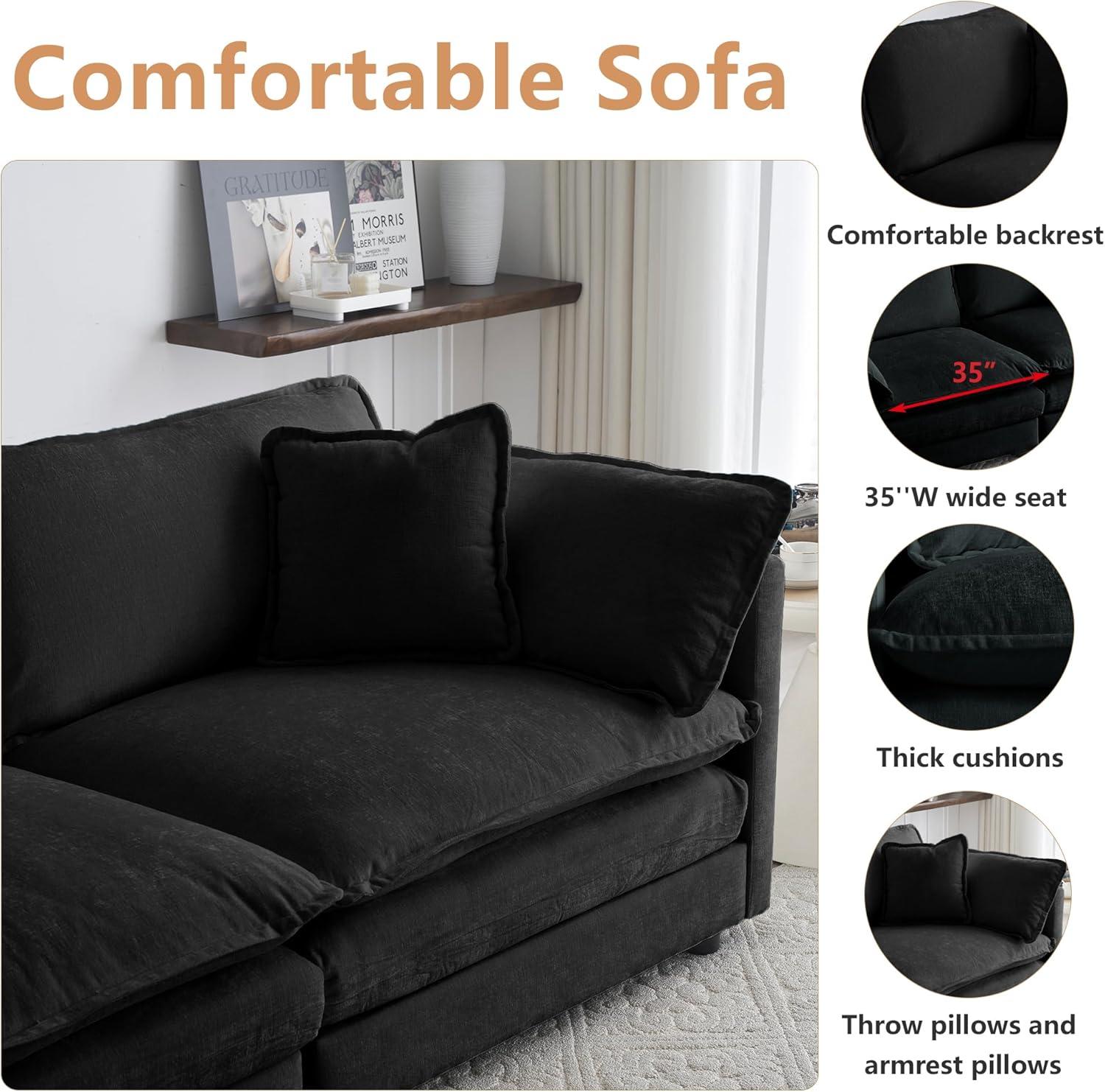
When the packages arrive you’ll notice a handful of long, flat boxes more than one bulky carton. The modules come vacuum-compressed, so the first action is unwrapping and releasing each compressed block. As you slice through the packing and pull out a piece, the chenille is creased and the foam feels dense and pliant; once exposed to air the cushions slowly re-fluff. You’ll find instructions and a small toolkit in one box, and the boxes are labeled in a way that lets you roughly match parts to where you plan to place them.
assembling is a hands-on, slightly tactile process. You lay the pieces out and align the bases, line up screw holes, and use the included tool to fasten connection points; the screws tend to take a short, firm turn before biting in. moving a module across the floor can feel awkward at first — the units are long and you’ll shift your grip, slide the base, or tip a corner to get it into place. Once bolted together the seams and cushions ask for small adjustments: you’ll smooth fabric panels with your palms, nudge cushions so they sit flush, and pat areas where the foam is still settling. The ottomans and corner pieces slot into place in a way that invites you to test different alignments as you work, and the whole setup can feel like fitting puzzle pieces that soften into a sofa over the course of an hour or so as the foam decompresses and the fabric relaxes.
| Box | Typical contents | What it feels like when you handle it |
|---|---|---|
| Long flat crates | Compressed seat/back modules | Dense and compact at first; becomes springier after airing |
| Smaller carton | Hardware, tool, instructions | Light, easy to keep at hand while you fasten pieces |
The chenille, frame and seams examined up close for your touch
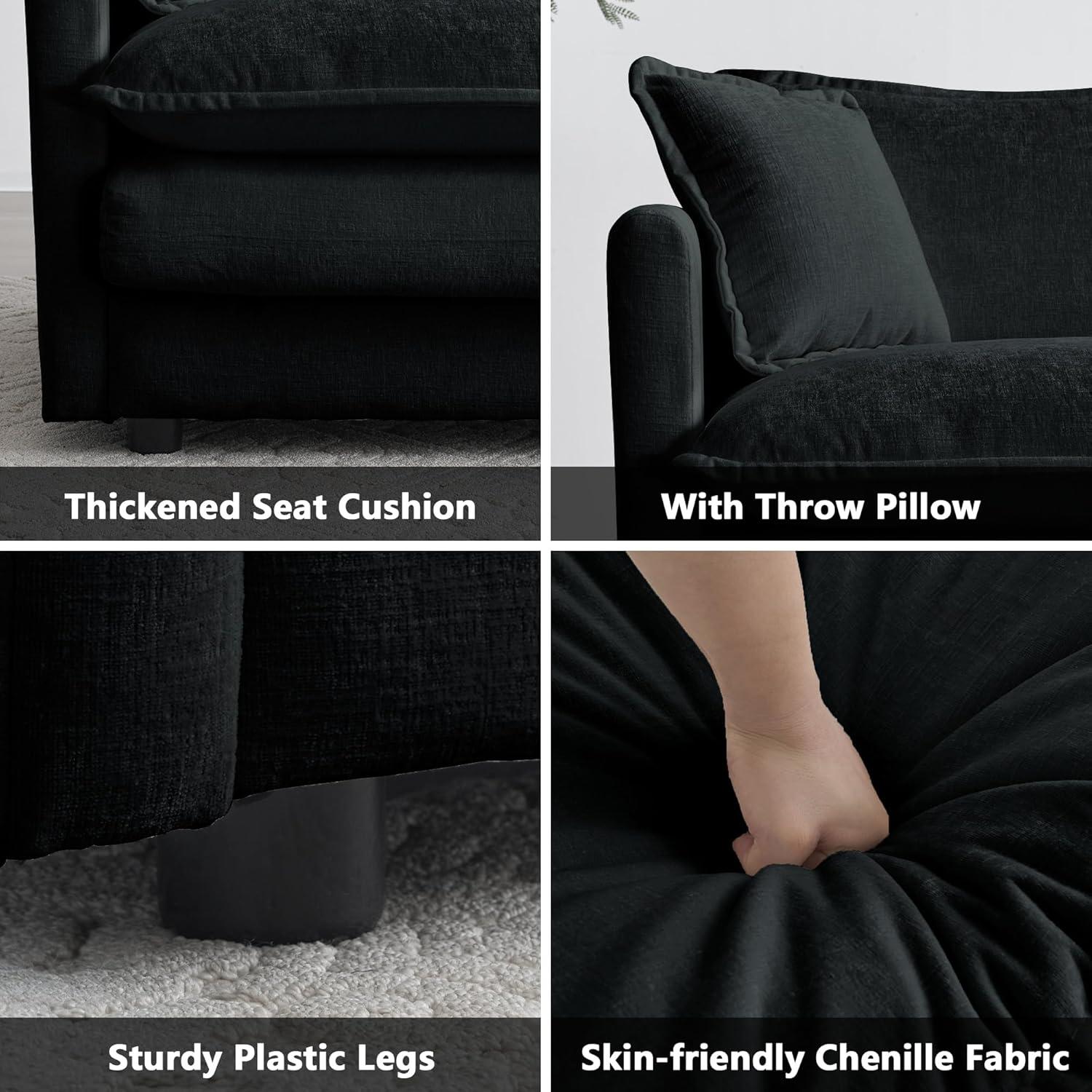
When you trail your hand across the chenille surface,the first thing you notice is the short,velvety nap catching and releasing under your fingers. It gives a little — not the kind of stretch that springs back instantly, but a gentle settling that follows the movement of your hand. Move your palm one way and the pile lays flatter; go the other way and the texture darkens slightly, showing the direction of the weave. As you smooth the cushions after sitting, small lines of compression appear and then, with a few more passes, mostly even out.
Seams register differently. Run a fingertip along a join and you feel a subtle ridge where fabric panels meet; the stitching is perceptible but not abrasive, and the seams sit close to the foam so they move with the cushion rather than standing proud of it. When you shift position on a corner or press near the arm, those seams tension and relax in sequence — you tend to smooth them again, unconsciously settling the surface. Around areas where sections connect, the fabric pulls a touch tighter, and you can sometimes sense the hardware beneath as a hard edge under the upholstery when you lift or reconfigure a module.
The frame is most apparent by feel when you press down at the edge of a seat or lift an ottoman. You’ll notice a firm resistance under the cushioning — a steady support rather than a give — and when you move modules you can feel the joints where the bases meet.Repositioning the pieces produces a faint clunk and a slight shift at the seam lines, which prompts you to adjust cushions or pat the fabric smooth afterward.Over repeated use the fabric around high-contact seams tends to soften and conform a touch more to those motions.
| Element | What you feel |
|---|---|
| Chenille surface | Soft nap that shows direction, yields under palm, smooths with repeated stroking |
| seams & stitching | Low ridge, perceptible stitching, moves with the cushion, tightens at joins |
| Frame & base | Firm support at edges, noticeable under pressure, connection points felt when moving modules |
| module joins / ottoman | Faint movement and sound when reconfiguring, small gaps to tuck fingers or fingers to adjust |
How the cushions respond when you sink into the main seating section or move the ottoman
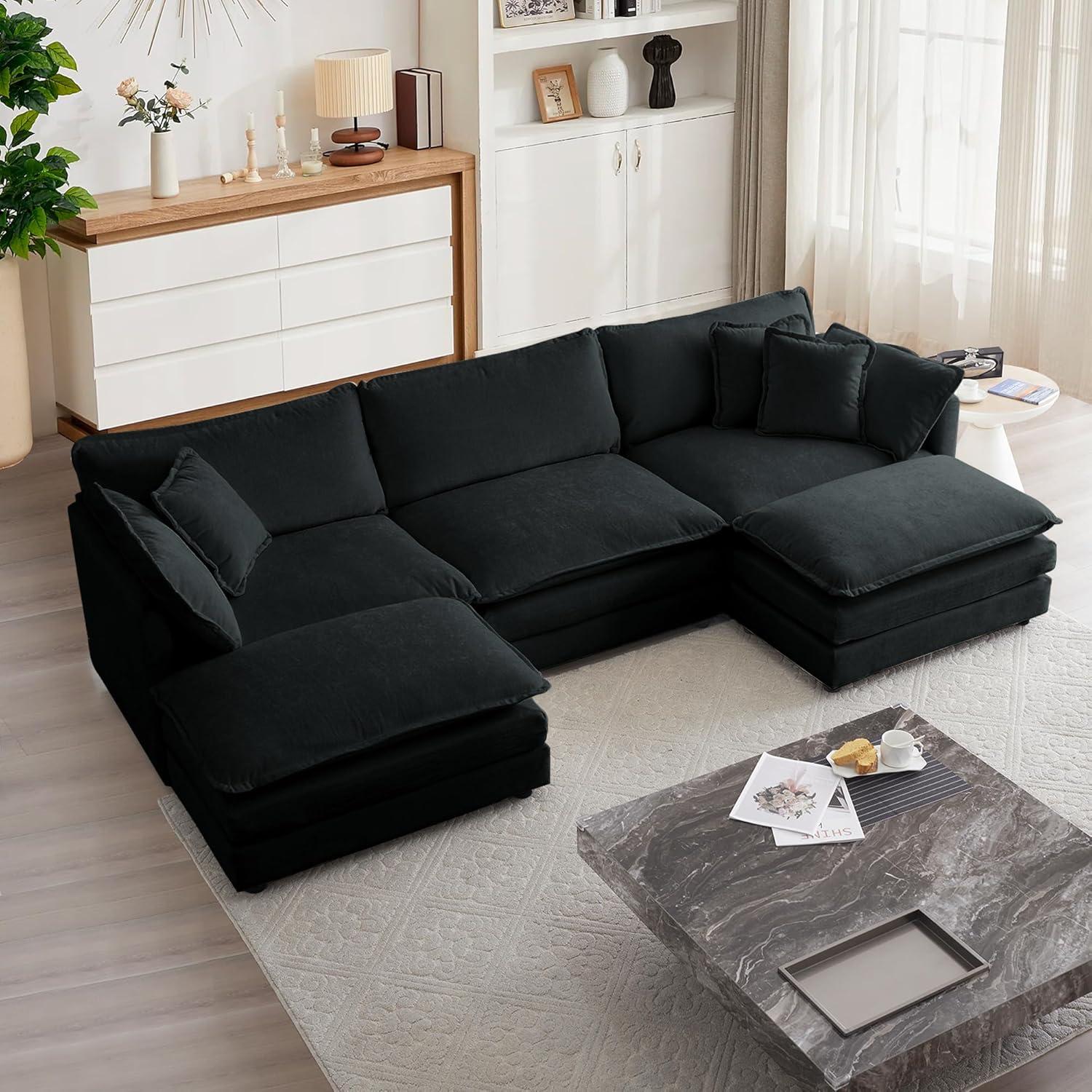
When you sink into the main seating area, the cushions give first — a quick, tactile sink that redistributes weight across the seat. At the moment your hips hit the cushion you can feel the top layer compress, then the underlying foam push back to cradle you. The back cushions shift slightly as you lean, and you’ll frequently enough find yourself smoothing the fabric or nudging a seam so the fill settles where you want it. That initial give usually levels out after a few seconds, leaving a shallow contour under you rather than a deep well.
Sliding the ottoman into place changes that dynamic.If you pull it flush against the front of the seat and rest your legs on it, pressure shifts forward and the seat compresses a bit more at the front edge; your weight becomes distributed between the seat and the ottoman rather than solely on the cushion. Move the ottoman away and the seat returns toward its previous profile, though the foam can stay a touch indented until you stand and the layers rebound. Small adjustments — scooting a pillow behind your lower back, tapping the cushion to even the surface — are common as the system settles into each new position.
| Action | immediate response | After a short while |
|---|---|---|
| Plopping into main seat | Quick compression of seat; back cushions shift | Surface evens into a shallow contour; partial rebound |
| Pulling ottoman flush and resting legs | Front edge compresses more; pressure spreads forward | Seat and ottoman share load; cushions settle into new balance |
| Moving ottoman away | Immediate reduction of forward pressure | Seat slowly regains shape; small creases may remain until smoothed |
Fitting the sofa into your room with measurements and doorway maneuvers
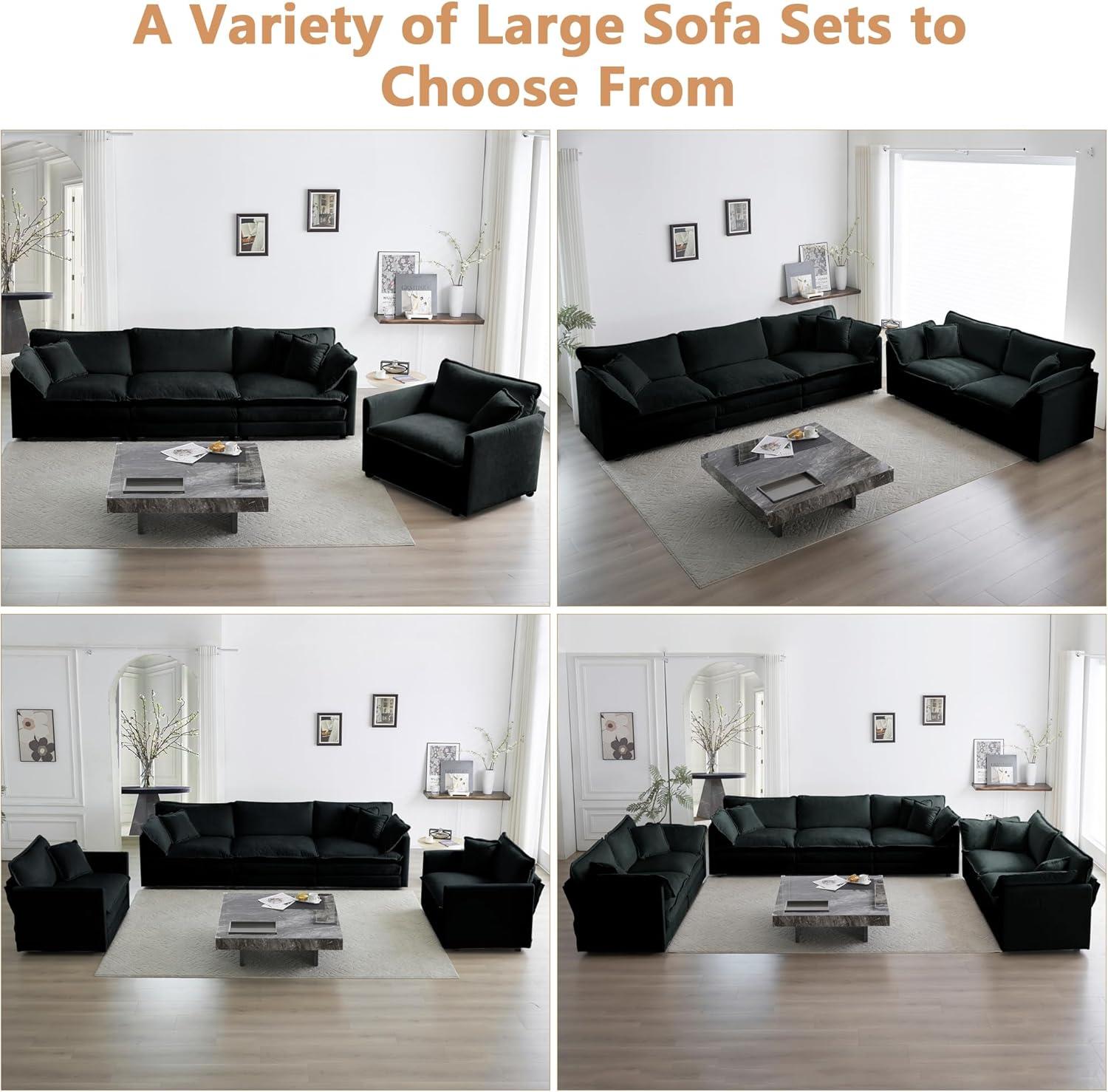
Before anything else, take a moment to map the path from curb to living room the way you’d walk it with a box in both hands. Measure door clearances, the narrowest hallway, any sharp landings on stairwells and the elevator cabin if one’s available. Note ceiling height at the tightest point and the swing of doors; visual cues—handrails, light fixtures, low cabinetry—often tell you where the tight spots will be when a large piece turns.You’ll find yourself checking these measurements against the product specs elsewhere rather than comparing numbers side-by-side in the doorway.
When the pieces arrive they’ll be easier to nudge through tight spots if you treat each module as a separate object. Uncompressed modules can be tilted on edge to reduce the footprint as they pass through a frame, and ottomans can be shifted or taken around first to open up turning room. As you work,small habits surface: smoothing a seam after it rubs against a jamb,patting a cushion that’s folded slightly from being slid on its side,or loosening a foot to gain another inch of clearance. Once modules are fastened together on their bases they hold position more rigidly and become less forgiving during a pivot, so most of the maneuvering tends to happen before final assembly.
| What to measure | Why it matters in practice |
|---|---|
| Doorway clear width & height | Determines whether a module passes flat, or needs to be turned on edge |
| Hallway width and corner radius | Limits the angle you can rotate a section without scraping walls |
| Stair landing dimensions & handrail placement | Controls whether modules can be carried up straight or must be tilted |
| Elevator interior size | Affects whether modules can be transported whole or require disassembly |
Expect some give and small adjustments as you move things in: fabric may catch briefly on a threshold, seams can shift and need smoothing, and cushions will need rearranging after a couple nudges. These moments tend to slow the process more than raw measurements do, especially when you’re working around tight turns or through older doorframes with uneven jambs.
Day to day living with the modular setup as you host, lounge, and rearrange
When you host, the room quickly changes around the pieces. You move an ottoman into the center as an impromptu coffee surface, slide an armless unit out to make room for another chair, and the seating naturally encourages bodies to turn toward one another. Small shifts happen as plates are passed and drinks are set down: seams press together,cushions get nudged,and you find yourself straightening a corner or smoothing fabric between courses.
Lounging over long stretches feels informal. You’ll lean back, tuck a pillow behind your lower back, and the cushions compress where you sit most frequently enough; those impressions lift again after you get up, though not always immediately. Foot traffic leaves light marks on the upholstery and the ottoman doubles as a footrest, extra seat, or surface for a tray—so its top sees a lot of different uses in the same day. You’ll also notice the occasional habit: patting down seat tops in the morning, pushing a seam back into alignment after someone stands, or nudging a module so a corner lines up with a rug edge.
Rearranging during everyday life is hands-on. The pieces respond to nudges and short lifts rather than sliding effortlessly across the floor; that means you handle them in place more than you redeploy them constantly. Modules settle with a small click or shift and then stay put through conversation, television breaks, and the odd nap. Over weeks of use the fabric can show soft creases where people favor certain spots, and cushions will be fluffed or smoothed as part of routine upkeep.
| Common setup | Typical day-to-day behavior observed |
|---|---|
| U-shaped grouping | Conversation centers form; ottoman used as central surface; cushions shifted toward the middle |
| Straight, long sofa | Movie-watching posture dominates; back cushions compress at favored lounging positions |
| Separated modules | Scattered seating for activity zones; seams and edges require occasional realignment |
How the couch lines up with your expectations and the practical limits you might face
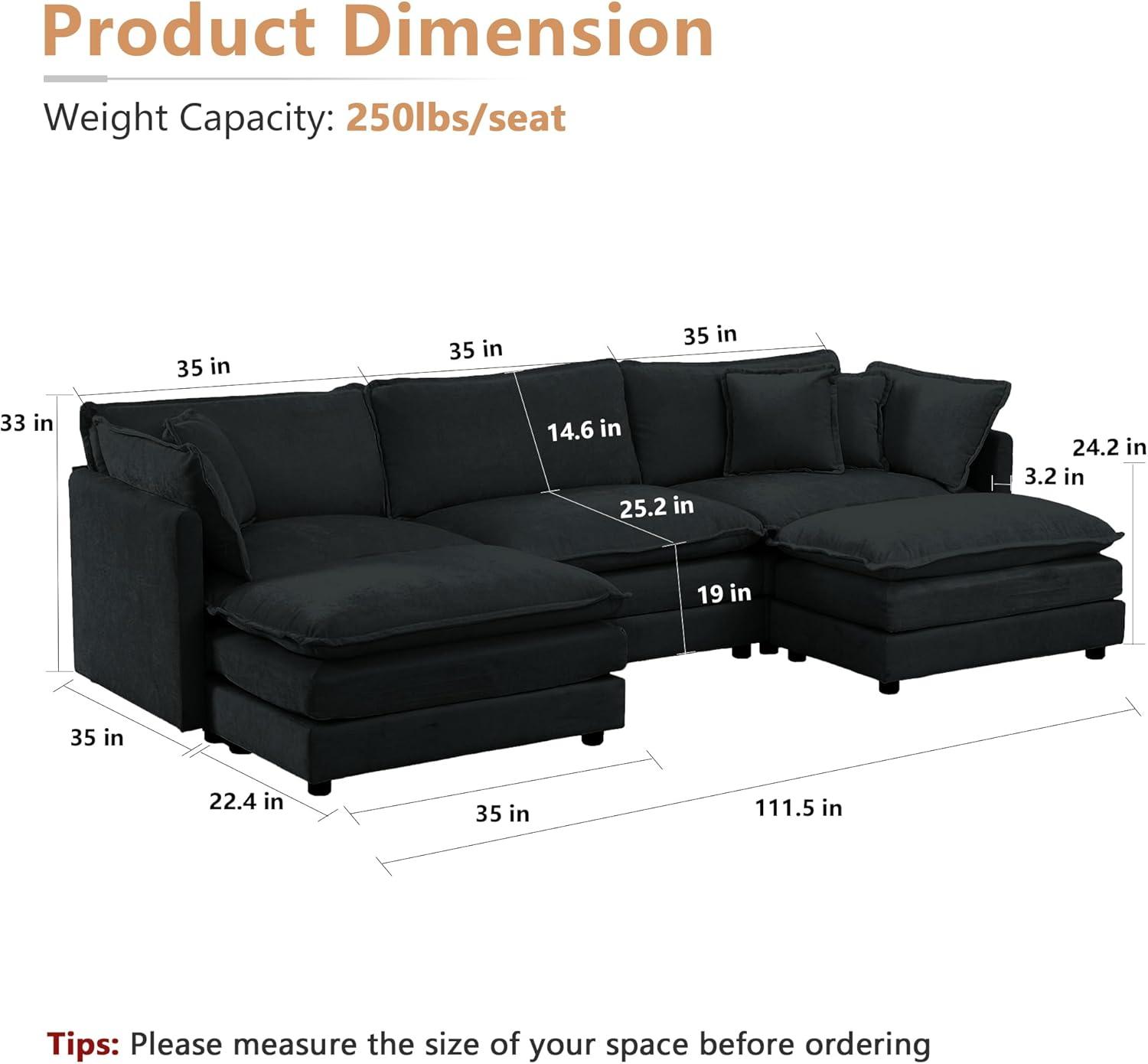
In everyday use, the modular layout generally matches initial expectations about flexibility, but the lived experience shows small friction points. Modules stay aligned once fixed, yet cushions and pillows tend to shift toward the corners and seams after prolonged sitting, requiring occasional smoothing. the ottoman frequently enough becomes the default leg rest and migrates from its intended spot; moving it back feels more like tucking a piece into place than sliding a cushion. Dark upholstery masks some marks but highlights lint and pet hair in certain light, and fabric creases appear where people habitually perch or lean.
Practical limits surface during routine rearrangement and heavy use. Reconfiguring the sections is workable, though it involves handling joined bases and repositioning heavier blocks rather than a quick shuffle, so spontaneity is reduced compared with fully loose pieces. Over days and weeks the seat surfaces develop shallow impressions and the back cushions settle unevenly with frequent use; seams near high-traffic edges can pucker slightly. On hard floors, the whole set can drag more than expected when being nudged, and small adjustments are often followed by a short period of reshaping to restore the original lines.
View full specifications and configuration options
Care and upkeep notes for maintaining your black chenille over time
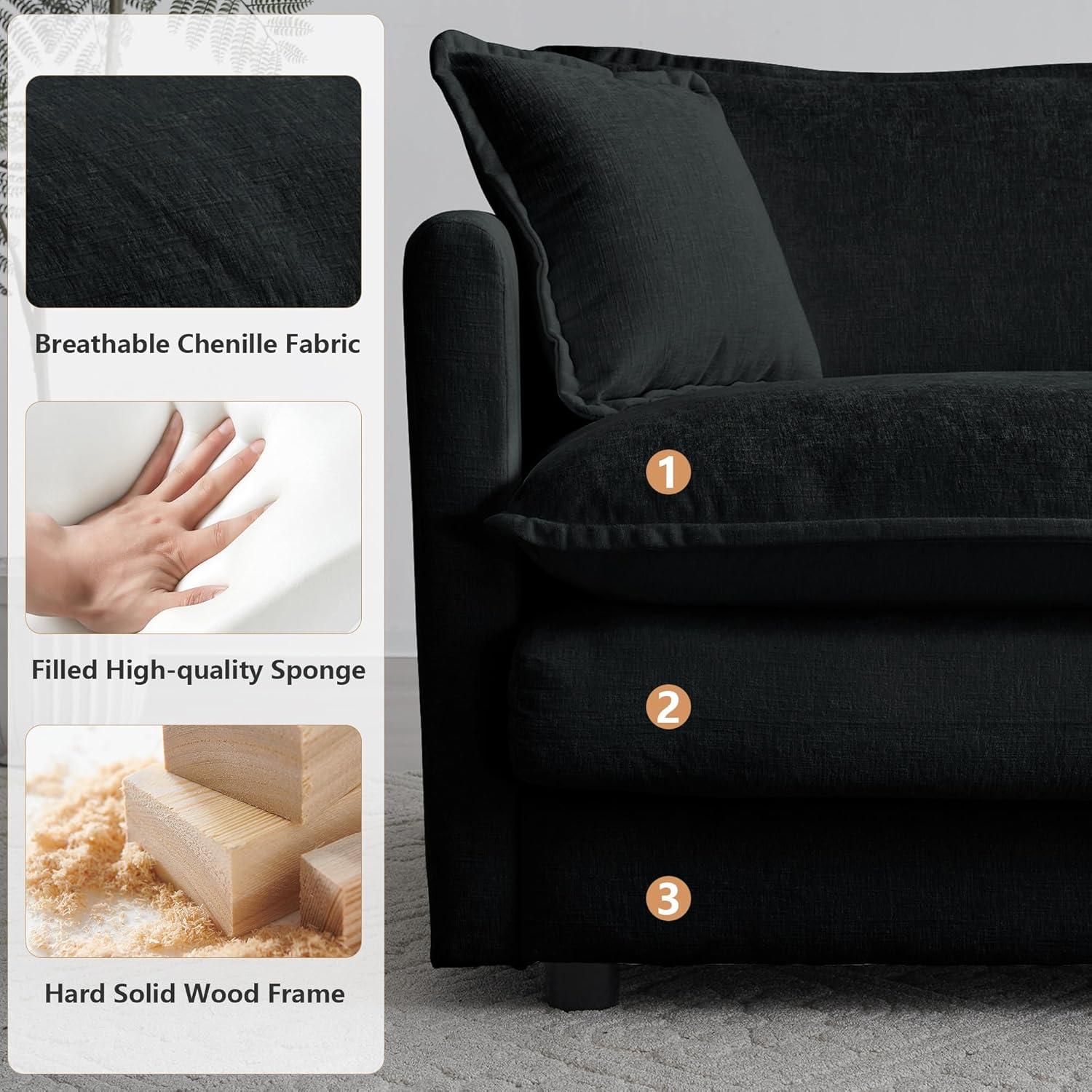
When you live with black chenille it shows everyday life in a particular way: lint and pet hair stand out against the dark surface, and the fabric’s short pile will change appearance where you sit and smooth it with your hand.Make smoothing a small, automatic habit—running your palm along the nap or giving cushions a light shake after guests leave helps redistribute fibers and keeps seams from puckering. Using the upholstery attachment on a vacuum, at low to moderate suction, tends to remove dust without flattening the pile; you’ll notice the difference most on arms and seat edges.
Spills usually demand quick, practical responses rather than deep cleaning.blot immediately with a clean, absorbent cloth; dab rather than rub so the pile doesn’t matt. For damp cleaning, a lightly dampened cloth and a drop of mild detergent will frequently enough lift common stains, but test in an inconspicuous spot first as wetting can change how the black dye reads in certain lights. Oil-based marks can feel stubborn and may respond better to absorbent powders before any liquid treatment. Steam or heavy wet-cleaning can relax the fibers and even out impressions, but it can also leave the fabric looking slightly different for a short while, so many people reserve that for less frequent refreshes.
Quick care checklist
| When | What to do | Notes |
|---|---|---|
| Daily to a few times a week | Light smoothing and spot blotting | Natural habit—reduces visible creasing and pile direction changes |
| Weekly | Vacuum with upholstery tool | Low suction; focus on seats and creases |
| monthly | Rotate ottoman/seat placement | Helps even out wear for some households |
| Every 12–24 months | Deep clean or professional service | Steam or professional methods restore pile but can alter sheen temporarily |
Over time the black chenille will develop areas that look smoother or slightly lighter where friction is greatest; that’s a normal trade-off and tends to happen unevenly, especially where you lean or rest your feet. if you move the modules often, seams and fastening points will need occasional re-tucking and a quick rearrange; these small, unconscious tweaks are part of normal upkeep and keep the set feeling settled and consistent.
How the Set settles Into the Room
Living with the mikibama Modular Sectional Sofa, 111.5 Inch U Shaped Couch Set for Living Room, 3-Seater Comfy Cloud Couches with Movable Ottoman, DIY Combination, Chenille, Black, you notice how it quietly anchors the space as other pieces and habits find their place around it. Over time, as the room is used, its scale nudges where people sit, where small tables land, and how movement through the living area flows. In daily routines and in regular household rhythms the cushions soften where people settle, the fabric shows the faint marks of use, and it takes on a look that feels known rather than new. It stays, quietly part of the room.
As an Amazon Associate I earn from qualifying purchases.

 — customizable, space-saving design that fits your family room. Read our review for specs & buying tips.)