


Late afternoon light pools across the leather of the Fashion New Leisure Chair — the “Tiger” single-seat lounge — and you notice it’s presence before you notice its size. up close the hide is dry-warm under your hand, the seams catching the light like thin ridges, and the cushion yields with a polite spring rather than a deep sink.The slim metal lines read as restraint, but the piece still feels visually anchored in the room; you can tell its single-person scale without measuring. From where you stand the back leans at a casual angle and the overall silhouette reads Nordic-minimal, quiet but unmistakable in an everyday living space.
When you first see it in your room a quick look at the Fashion New Leisure tiger leather lounge chair
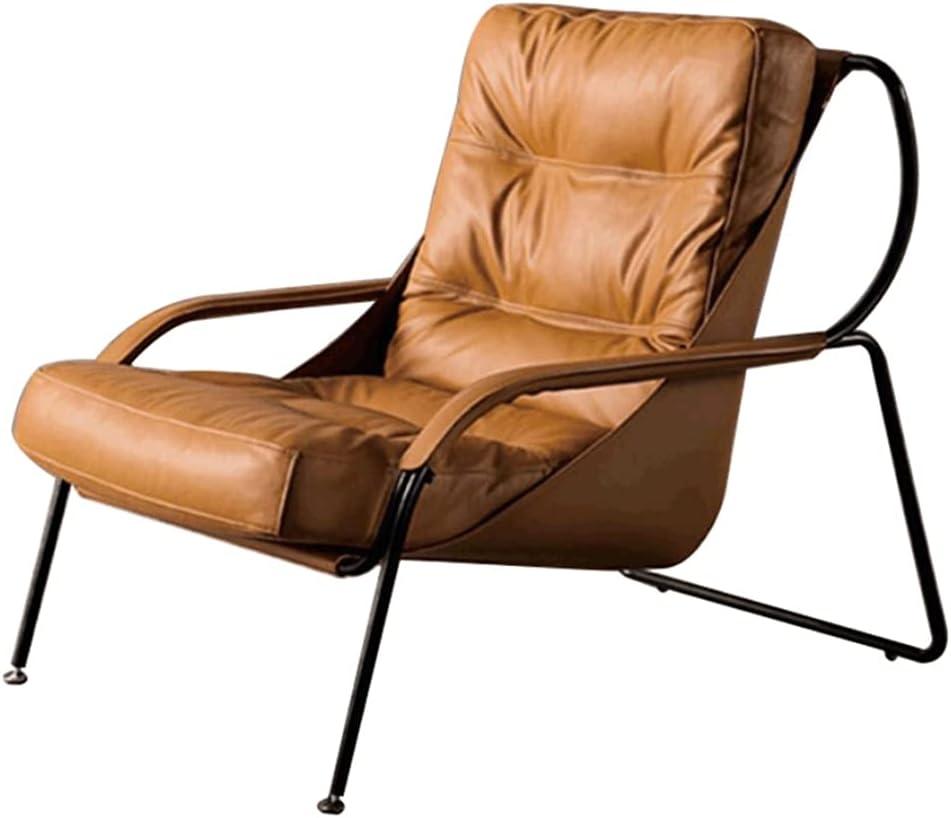
When you first set eyes on it in your room, it instantly reads as a single, confident object rather than a cluster of parts. From your usual doorway angle the back and arms form a continuous line; the surface catches light in streaks where the leather is smoother and in duller patches where it has been creased or tacked. The silhouette feels compact but present — it doesn’t disappear into the corner the way a slim chair might, and you notice how the chair’s proportions relate to the coffee table or the window without measuring anything.
Move closer and small, everyday details become apparent: the stitching that runs along the seams, the way the padding compresses slightly when you press a palm into the seat, and the lack of visible fastenings if you lean over to inspect the upholstery. You’ll find yourself smoothing a wrinkle, shifting a cushion to line up an edge, or angling your feet to clear the front legs; the leather responds with a soft, short-lived creak and a quick return to shape. In most lighting the tones read warmer near the folds and cooler on flat surfaces, and there can be a faint new-leather scent that fades after a few days of being in the room.
How its silhouette and tiger inspired lines change the way you perceive a corner
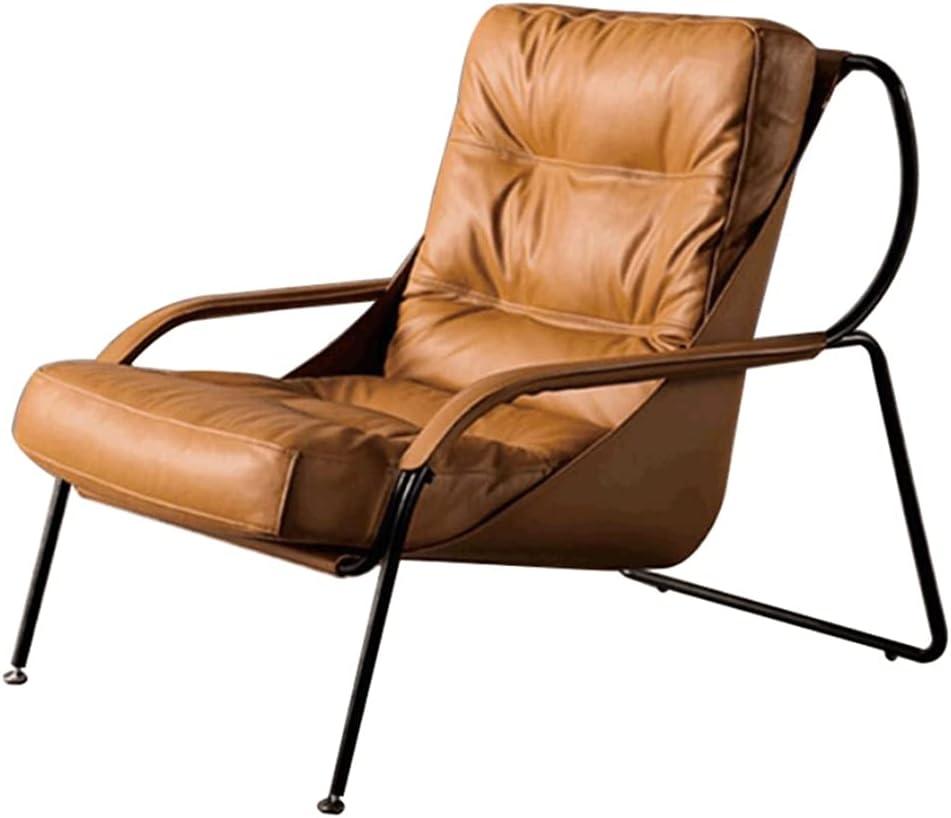
Place it into a corner and you notice how its silhouette reorients the space. The rounded back and slightly flared sides cut across the right angle, so your eye travels along the chair’s arcs instead of stopping at the wall. The tiger-inspired lines — the stitched ridges and banded contours — act like visual currents: as you move past or shift in the seat the stripes seem to flow outward,turning a static nook into something that reads as directional rather than closed-off.
When you sit,those contours frame your posture and change the negative space around you. You’ll find yourself smoothing a seam or nudging a cushion and watching light catch the ridges differently; the corner responds, feels less like architecture and more like a small stage for movement. That sense of animation can make walkways near the corner feel slightly altered and, in most cases, turns an overlooked angle into a place that holds the room’s gaze without shouting for attention.
A closer look at the leather grain stitching and surface textures you can touch
When you trail a hand across the surface, the leather’s grain registers immediately — not flat, but with a faint pebbling that catches your fingertips. That texture isn’t uniform; the center of the seat feels smoother from contact, while the edges keep a tighter, more pronounced pattern. As you shift and settle, shallow creases form where you press, and those lines briefly reflect light differently, so the surface can look silkier in one moment and slightly matte the next. The leather gives a soft resistance to sliding, than warms under your palm, which makes the grain seem to relax.
The stitching reads like a roadmap you can follow with your fingers. Seams sit slightly raised; the thread forms a discreet ridge that you tend to smooth with a thumb, especially along the outer seams where your hand frequently enough wanders. Where panels meet the stitching feels firmer, and you sometimes notice the leather pucker a little around the needle holes — small, irregular folds that appear with use. Zipper or fastening details are hidden from sight, leaving the focus on these visible stitch lines and the subtle tension they create when you adjust cushions or rest an elbow.
| Area | What you notice under touch |
|---|---|
| Seat | You feel a softer grain and gentle give; creases form with movement and then ease back slowly. |
| Backrest | Texture is slightly firmer, the grain reads cleaner; stitching feels continuous and guides your hand upward. |
| Outer seams / arm edges | Raised stitching and tighter grain; small puckers can appear where the leather is pulled taut. |
What sitting in it reveals about seat depth back angle and how the frame meets your body
Taking a seat makes the relationship between depth,recline and frame contact immediately apparent.The cushion gives a contained landing: the pad is deep enough that most sitters find their thighs rest well back from the front edge, and the leather compresses under weight so the initial firmness eases into a shallow cradle after a few minutes. That front lip stays rounded rather than sharp, so the edge meets the leg along a broad surface; at the same time, the backrest’s lower seam sits where the lumbar wants to nest, which can cause a gentle tuck in the small of the back as the upholstery settles.
The back angle presents as a modest recline rather than an upright perch. When settling back, shoulders tend to roll into the upper backrest while the pelvis shifts slightly forward on the seat cushion to find firmer support; the overall effect is a relaxed, slightly laid-back posture. The frame itself is mostly concealed by the leather,but its geometry becomes obvious in motion — leaning to one side makes the hidden edges and stitching press against the hip,and crossing legs or repositioning will reveal the point where the inner frame and cushion meet the thigh.Small habits, like smoothing a seam or tugging the leather taut, are common as people chase a minute change in contact or comfort.
| Aspect | What sitting reveals |
|---|---|
| Seat depth (felt) | Mid-thigh support with noticeable cushion compression after brief use; feet usually reach the floor without shifting posture |
| Back angle (felt) | Subtle recline that encourages a relaxed lean; shoulders settle into the upper backrest while lumbar meets a lower seam |
| Frame contact | Frame edges are mostly hidden but become tactile during movement—hips and outer thighs register contact, seams shift with small adjustments |
View full specifications, sizes and color options
How much floor it claims and how easily you can move it through doorways and across floors
The chair occupies a relatively compact patch of floor: the base sits close to the ground and the overall footprint stays within the area one would expect from a single-seat lounge piece rather than an extended chaise.When in place the legs and base concentrate the weight directly below the seat, so movement across a room tends to involve sliding the whole unit a short distance or tilting it slightly to negotiate thresholds. During that brief handling, cushions and seams often shift and require a quick smoothing once the chair is settled again.
| Surface | How it moves |
|---|---|
| Hardwood / Tile | glides or slides with modest effort when tipped; dragging can leave light scuff marks on unfinished floors |
| Low‑pile carpet | Requires more force to slide; tends to compress the pile rather than roll |
| Thick or shag carpet | Resists movement and frequently enough needs lifting or short carries through tight spots |
Passing the chair through doorways commonly involves angling it rather than pushing straight on; standard interior doors can be cleared by rotating the piece so the narrowest dimension leads, and door thresholds may catch the lower edge if the chair is dragged. There are no visible rollers, so short repositioning is the most typical handling pattern; for longer moves the chair is usually lifted at the base, which can shift upholstery alignment and prompt minor readjustments afterward.
View full specifications and available options
A day with the chair observing how you lounge work and read in real moments
You sink into it first thing and the leather responds the way a lived surface does: it smooths under your thighs,warms where your back meets the top of the backrest,and a subtle gloss appears along the areas you touch most. For short stretches with a laptop balanced on your knees you find yourself sliding forward a little, then easing back until the seat cradles your lower back; fingers rest on the arm without a lot of effort, and you unconsciously shift your weight every few minutes to find a fresh seam. When you switch to reading, your shoulders relax, one knee comes up, the cushion compresses more on that side and the head of the chair cups your neck differently depending on how you angle your torso. Small adjustments — smoothing the leather, nudging a pillow nearer, tugging at a seam — happen as part of the rhythm rather than as purposeful set-up.
Afternoon lounging shows different habits: you slump more readily for shorter naps, or perch forward if a conversation or notification demands attention; the chair’s surface tends to hold the outline of where you’ve been sitting for a little while after you get up. In evening reading stints the posture shifts again toward a semi-reclined position and the seat slowly conforms to a single favored spot. Observed across several sessions, the chair tends to support those repeated micro-moves and the small compensations you make — moving a magazine, reaching for a cup, stretching out a leg — though those same shifts can leave the leather showing brief creases and a slight sheen where hands and arms rest.
| Moment | Typical posture | visible/physical change |
|---|---|---|
| Morning work burst | Forward-leaning, feet planted | Seat front compresses, backrest contact varies |
| Afternoon lounge | Reclined, one leg up or curled | Localized sink at preferred spot |
| Evening reading | Semi-reclined, neck supported | Leather warms, temporary creasing |
View full specifications and options
Where it meets your expectations and where it does not in everyday use
In everyday use the chair tends to deliver what is immediately expected: an easy first sit, steady posture support, and a surface that quickly takes on the warmer, lived-in look of regular use. Occupants will often smooth the surface or nudge cushions back into place after shifting; creases form where weight is most often applied, and the leather warms and becomes slightly more pliable over the course of a single sitting. Movements such as leaning back or changing position usually produce predictable settling rather than sudden shifts, and small noises from seams or the frame tend to be intermittent rather than constant.
There are a few recurring behaviors that fall short of initial impressions. Foam resilience can change over longer sessions, so cushions may need frequent readjusting to restore the original profile. The leather surface shows handling — fingerprints, light scuffs and shallow creases appear where hands, zippers or jewelry contact it — and in warmer rooms the material can feel less breathable during extended use. Spot-cleaning is the common response after spills, and small marks often remain visible despite gentle wiping. Edges and seams sometimes catch clothing during quick movements, prompting a pause to reposition rather than a seamless continuation of activity.
| Typical moment | Observed behavior |
|---|---|
| First sit | immediate comfort; surface smooths with a quick pass of the hand |
| After 1–2 hours | Cushions settle directionally; leather feels warmer and more conforming |
| Frequent short shifts | Seams and edges register movement; light scuffs or creases appear |
See full specifications and available color options on the product page.
What daily wear and routine upkeep look like when you live with this leather chair
In everyday use the leather settles into predictable patterns: the seat surface softens and takes on faint creases where the body meets the padding, arm areas develop a subtle shine from repeated contact, and stitch lines relax slightly as seams are smoothed by habitual shifts.Cushion tops tend to show shallow impressions after long sits, and small scuffs or light surface marks appear in places of frequent contact; these effects can look different from day to day depending on how people move and whether they regularly smooth the upholstery back into place. Hair, lint and the occasional crumb collect along seam channels and beneath the chair’s edges, prompting brief, unconscious actions like brushing a hand along the leather or tugging the cushion back into alignment.
Routine upkeep in lived experience is a series of small,familiar tasks rather than one long chore: a quick dust with a soft cloth or a lint-roller run-through after busy days,spot wiping of spills while the cover remains in place,and the occasional attention to faint marks that appear at high-contact points. For some households these actions become part of the seating ritual—smoothing a crease before sitting, nudging the chair to re-centre the cushion, or running a handheld vacuum over the base—so the chair’s surface ages in a way that reflects daily movement more than harsh maintenance routines. Over time the leather’s surface character tends to deepen where it’s used most, and that gradual change is visible in normal living-room rhythms.
How It Lives in the Space
After a few weeks you notice how the Fashion New Leisure Chair Designer Single person sofa Chair Lazy Lounge Chair Tiger Chair Leather Leather Sofa softens into the room’s daily flow rather than standing out on day one. In regular household rhythms it nudges how space is used—an extra seat pulled closer to conversation, a place to lean for a quick read—and its comfort changes subtly as cushions loosen and the surface shows the faint maps of use. It settles into your routines, present in quiet mornings, mid-afternoon pauses, and the small gestures that make the room feel lived in. You find it stays.
As an Amazon Associate I earn from qualifying purchases.

